

In today’s fast-paced and often overwhelming environment, anxious thoughts can become frequent and persistent, affecting both mental and physical wellbeing. Many people struggle to find ways to quiet their minds without relying on medication, yet natural methods can be highly effective when practiced consistently. Simple lifestyle adjustments, mindful exercises, and creative outlets can all reduce tension, improve mood, and promote a sense of control. Engaging in activities that redirect focus and stimulate the senses helps the brain shift from anxious patterns to more relaxed states. For example, how painting, crafting, and other hands-on hobbies calm anxious minds demonstrates that creative engagement can act as a therapeutic escape, allowing individuals to focus, express themselves, and experience mental relief.
Mindful Breathing Techniques
One of the most accessible strategies for calming anxiety is mindful breathing. Controlled, slow breaths activate the parasympathetic nervous system, lowering heart rate and reducing cortisol levels. Techniques such as diaphragmatic breathing, box breathing, or 4-7-8 breathing encourage the mind to focus on the rhythm of the breath, drawing attention away from stressful thoughts. Practicing even five minutes of mindful breathing daily can build resilience against anxiety triggers. By incorporating short breathing exercises during breaks or before sleep, individuals create a reliable method for calming the mind, promoting relaxation, and improving overall emotional balance.
Physical Exercise
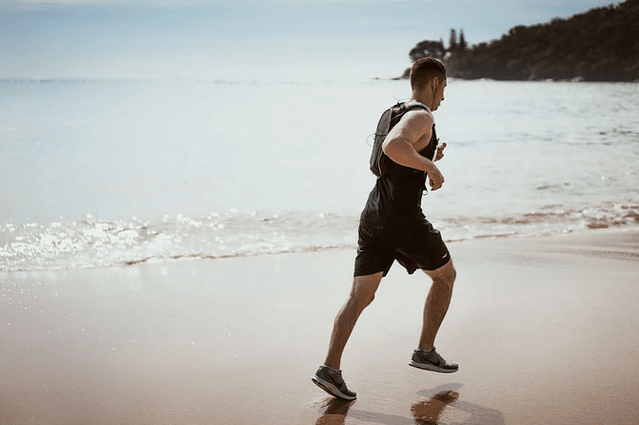
Exercise is a proven natural anxiety reducer. Engaging in moderate-intensity activities such as walking, jogging, swimming, or cycling releases endorphins, which act as natural mood enhancers. Physical movement also helps dissipate tension stored in muscles and improves circulation, contributing to a sense of vitality and alertness. Activities like yoga or Pilates combine strength, flexibility, and mindful focus, enhancing both mental clarity and body awareness. Consistency is critical; establishing a regular exercise routine ensures that the mind benefits from continuous exposure to these natural stress-relieving effects, creating an ongoing buffer against anxiety.
Creative and Hands-on Activities
Immersing oneself in creative pursuits offers a distinct form of mental relief. Activities such as drawing, painting, crafting, or other tactile hobbies redirect attention from worry and stimulate concentration, providing a calming mental escape. Creative expression engages different parts of the brain, allowing individuals to process emotions non-verbally and reduce rumination. Research and experiential evidence indicate that such activities can improve mood, reduce tension, and promote a sense of accomplishment. Incorporating these practices into daily or weekly routines encourages a natural reduction in anxious thoughts while enhancing overall wellbeing. This concept is evident in how painting, crafting, and other hands-on hobbies calm anxious minds.
Mindfulness and Meditation

Mindfulness meditation is a highly effective technique for managing anxiety. By focusing on the present moment and observing thoughts without judgment, individuals develop greater awareness and control over anxious patterns. Even brief sessions, such as five to ten minutes of guided meditation or body scans, can reduce intrusive thoughts and foster mental clarity. Incorporating mindfulness into daily life—during meals, commuting, or walking—reinforces attentional control and reduces the automatic escalation of stress. Over time, these practices cultivate emotional stability, enabling individuals to respond to challenges with composure rather than anxiety.
A Structured Routine
Creating a consistent daily schedule helps reduce uncertainty and mental overload, common triggers of anxiety. Regular wake-up and sleep times, planned exercise sessions, and designated periods for meals and work create predictability, which the brain perceives as safe and manageable. Routine also allows for the inclusion of intentional relaxation periods, ensuring that self-care becomes habitual rather than optional. Incorporating strategies such as journaling, planning, or setting short-term goals within a structured framework provides a sense of control, reduces stress, and promotes the ability to manage anxious thoughts effectively.
Natural strategies for calming an anxious mind focus on redirecting attention, regulating the body, and fostering self-awareness. Techniques such as mindful breathing, regular exercise, creative activities, meditation, and structured routines provide practical methods for reducing mental tension and promoting relaxation. When practiced consistently, these approaches can improve emotional resilience, mental clarity, and overall quality of life. By integrating these strategies into everyday routines, individuals develop tools that help manage anxiety, build confidence, and maintain balance, creating a sustainable foundation for both mental and physical wellbeing.

