Health

Why Copying Others in the Gym Can Lead to Mistakes

Walking into a gym for the first time can feel overwhelming, especially when you see experienced lifters confidently moving through their routines. It’s natural to want to imitate what others are doing, assuming that if they look fit or strong, their methods must be effective. However, copying others in the gym is one of the workout habits that annihilating your gym progress. Everyone has a different body type, fitness level, and goal, which means what works for one person may not work for you. Understanding why this approach is risky is the first step to building your own safe and effective fitness journey.

Different Bodies, Different Needs

One of the biggest problems with copying others is that no two bodies are the same. A workout routine that works for someone with years of experience may not be appropriate for a beginner. Factors like age, weight, muscle mass, flexibility, and even previous injuries play a big role in determining what exercises and weights are suitable. Without tailoring your workout to your body’s needs, you risk straining muscles or performing movements that your body isn’t ready to handle.

Form and Technique That Can Be Misleading

When you copy someone else’s movements, you may not realize that their form is not correct. Many people in the gym perform exercises incorrectly, even if they look confident doing them. Mimicking poor technique only reinforces bad habits, which can lead to long-term joint stress or injuries. Even when the other person’s form is good, subtle details like grip, posture, or breathing patterns can be hard to replicate just by observation. Proper technique is best learned from a certified trainer or through guided instruction rather than trial and error.

Goals That Don’t Always Align
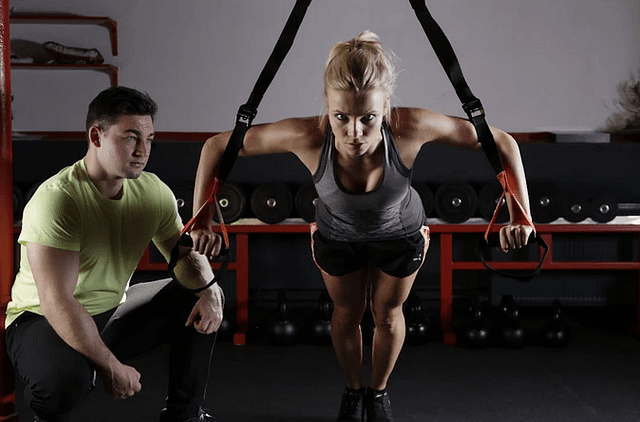
training

Just because someone is lifting heavy weights or spending hours on cardio doesn’t mean their goals match yours. They may be training for bodybuilding, strength competitions, or endurance sports, while your goal might be general fitness or weight loss. Following their routine without understanding its purpose can leave you doing unnecessary or even counterproductive exercises. A customized program aligned with your personal objectives ensures that your effort contributes directly to the results you want.

Risk of Overtraining and Injury

Copying advanced lifters often leads beginners to push beyond their limits too soon. Trying to lift the same weights or perform high-intensity routines without the proper foundation puts unnecessary strain on muscles and joints. This can lead to injuries that not only hurt physically but also disrupt your motivation. Recovery from overtraining or injury can take weeks, erasing progress and making it harder to return to the gym with confidence.

low energy

The Importance of Building Your Own Path

The best approach to fitness is focusing on gradual progress that matches your capabilities. Learning the basics, starting with manageable weights, and prioritizing proper form set the foundation for long-term success. Consulting a trainer, using beginner programs, or following structured workout guides can help you build routines that suit your goals. Over time, as your body …

Health

Why Social Support Helps You Stick to Health Goals in College

Are you finding it hard to keep up with your health goals while juggling classes, part-time jobs, and a buzzing social life? You’re not alone—and the good news is, you don’t have to do it alone either. College life is chaotic enough, and adding personal wellness to the list can feel overwhelming. Fortunately, building a support network might be your best secret weapon. Whether it’s accountability buddies, peer encouragement, or a gym partner, support can give you the consistency you’re lacking. And if you’re looking for extra tools, these 10 smart hacks to help college students shed pounds are a great place to start. Now let’s unpack the key reasons why social support helps you stay on track with your wellness goals during your college journey.

Accountability Builds Consistency

Having someone check in on your progress—even casually—makes it harder to skip that early-morning run or ignore your meal prep plans. When your roommate asks how your gym visit went or your study group doubles as a smoothie break, you naturally keep your habits in check. This low-pressure accountability doesn’t have to be formal. Just knowing that others are aware of your goals makes you more likely to follow through, especially when motivation dips. This peer-driven consistency becomes an informal routine, nudging you into better choices. You’re less inclined to hit snooze or grab that late-night pizza if you know someone will ask about your morning workout or share their salad bowl on Snapchat.

Shared Experiences Foster Motivation

fitness group

College is one of those life phases where almost everyone is trying to figure things out—whether it’s balancing nutrition, managing stress, or avoiding the freshman fifteen. When you see your classmates making healthier choices, it sparks something. Peer progress can inspire you to take your own goals to the next level. Moreover, shared victories, like running a 5K together or mastering meal prep Sundays, create a positive feedback loop. It becomes a group momentum—something larger than individual willpower. Your tribe’s motivation becomes your own, almost by osmosis.

Emotional Support Reduces Burnout

Trying to live a healthy life in college without emotional support is like lifting weights without a spotter—possible, but risky and unnecessarily hard. Supportive friends or family help alleviate the emotional toll that often accompanies lifestyle changes. Had a rough day and just want to drown in a bag of chips? A quick pep talk or an invite for a walk can redirect that impulse. Sometimes, you just need someone to listen when you vent about a stressful class or when your scale won’t budge despite eating clean all week. That emotional buffer shields you from falling back into old patterns when you’re stressed, sad, or overwhelmed.

Healthy Behaviors Become Social Norms

pilates

When everyone around you is reaching for water instead of soda, or walking instead of taking the bus, it subtly reshapes your daily habits. Your environment quietly influences your choices, and being around others who value wellness raises the bar for what’s considered “normal.” Soon, opting for healthier meals or …

Health

Stop Overthinking Health: A More Real Way to Feel Good Every Day

Feeling better doesn’t have to start with a 90-day challenge or a color-coded diet chart. Most of us just want a few quiet wins. Something that actually works and doesn’t feel like a second job. That’s why sites like https://elephanttag.org/ can feel like a breath of fresh air when the usual noise gets loud.

Let’s be honest. Health gets overwhelming. And it’s not because people don’t care. It’s because too many things are shouting for attention, and not enough of them are speaking human. So today, let’s learn and celebrate your own health. Let’s keep health checked and on the right path.

No One Needs More Confusion

You search one thing, “how to sleep better,” and now your feed’s throwing magnesium gummies, hormone hacks, and blue light glasses in your face. It’s like trying to sip water from a fire hydrant. Real health advice should feel like a conversation, not a lecture. Most people simply want to stop feeling bloated, scattered, or like they’re dragging through the day.

Real Life Is Messy, Health Advice Should Fit That

messy life

You’re not alone if your breakfast is sometimes just coffee. Or if you’ve “started” stretching every night for three months but still haven’t done it once. People have jobs, kids, distractions, and, occasionally, a little laziness. That’s life. Health tips that ignore that don’t stick. The good stuff meets you in your mess, not above it.

Trust What Doesn’t Yell

There’s a lot of “trust me” energy online. Influencers selling supplements they just Googled. Wellness blogs pushing trendy habits without substance. But calm advice? From people who don’t claim to fix your whole life? That hits different. When a site shares ideas without making wild promises, you listen.

You’re Allowed to Keep It Simple

Your path to feeling better doesn’t need bells, whistles, or branded yoga mats. It can be small shifts. Tiny tweaks. A better sleep schedule. One less energy drink. Progress might not always look shiny, but it’s still progress. Not groundbreaking science, just something that helped.

Don’t Go Through It Alone, Even If You Feel Like You Have To

alone

Some days it feels like everyone else has it figured out. They’re meal-prepping, meditating, jogging at sunrise. And you’re just trying to not nap through your 3 p.m. call. That’s okay. You don’t have to compete with anyone. But having a space that gets where you’re at can make all the difference. The kind of content that isn’t trying to impress, just help. Sometimes, that’s all you need to take the next step. Not a revolution. Just one quiet, doable win.

Rest Isn’t Laziness

The guilt tied to slowing down runs deep. If you’re not hustling, you feel like you’re falling behind. But here’s a radical idea: maybe your body’s tired because it’s, well, tired. Rest doesn’t mean weakness. It means you’re human. Taking a nap, skipping a workout, saying no to another thing, it’s not quitting. It’s recharging.

Small Wins Add up

You don’t need to change your whole …